The recent passage of legislation permitting the ownership of firearm suppressors in three states, as well as the expansion of silencer use by hunters, resulted in a substantial increase in the number of such devices registered by the Bureau of Alcohol, Tobacco, Firearms and Explosives (ATF), according to data released by the agency this week.
The ATF’s Firearms Commerce in the United States Annual Statistical Update 2016 contains the most recent data on the number of firearms manufactured and imported by the U.S., as well as tax revenue and information on firearms registered under the National Firearms Act of 1934 (NFA), including silencers, machine guns and short-barreled rifles and shotguns.
ATF statistics show that from April 2013 to February 2016, the number of silencers increased 60 percent, from 571,750 to 902,805. The five states with the highest numbers of silencers are Texas (165,499), Florida (61,015). Georgia (49,357) Oklahoma (32,192) and Virginia (31,205), accounting for more than one-third of the overall total.
In recent months, lawmakers in Vermont, Minnesota and Iowa passed laws legalizing personal ownership and use of suppressors for the first time, bringing the national total to 42 states. It remains illegal to own suppressors in California, Illinois, New York, New Jersey, Massachusetts, Rhode Island, Delaware and Hawaii.
In addition, New Hampshire, Alabama, Montana and Maine have legalized suppressors for hunting during the past two years.
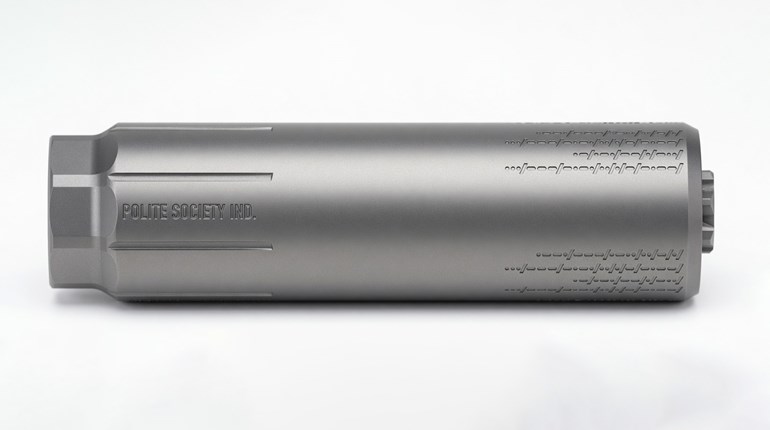
Heavily regulated under federal law, suppressors are formally classified as “silencers” under the NFA, requiring a one-time $200 federal tax (per device) and an FBI background check for purchase. Persons in possession of unregistered or untaxed suppressors may be found in violation of federal tax code (tax evasion), a felony punishable by fines and up to ten years in prison.
The ATF is tasked with enforcing suppressor regulations in accordance with federal law. Suppressors are classified as a restricted “firearm” and, as such, each has its own individual serial number.
Interest in suppressor use has increased exponentially in the past few years, as shooters and hunters have become more aware of potential hearing damage caused by firearms. Suppressors also reduce recoil and muzzle rise, and in many cases may help increase accuracy. The noise reduction offered by suppressors is seen as a benefit for hunters seeking permission to hunt on private land and in areas of expanding urbanization where hunting is permitted, as well as at shooting ranges located in developing areas.